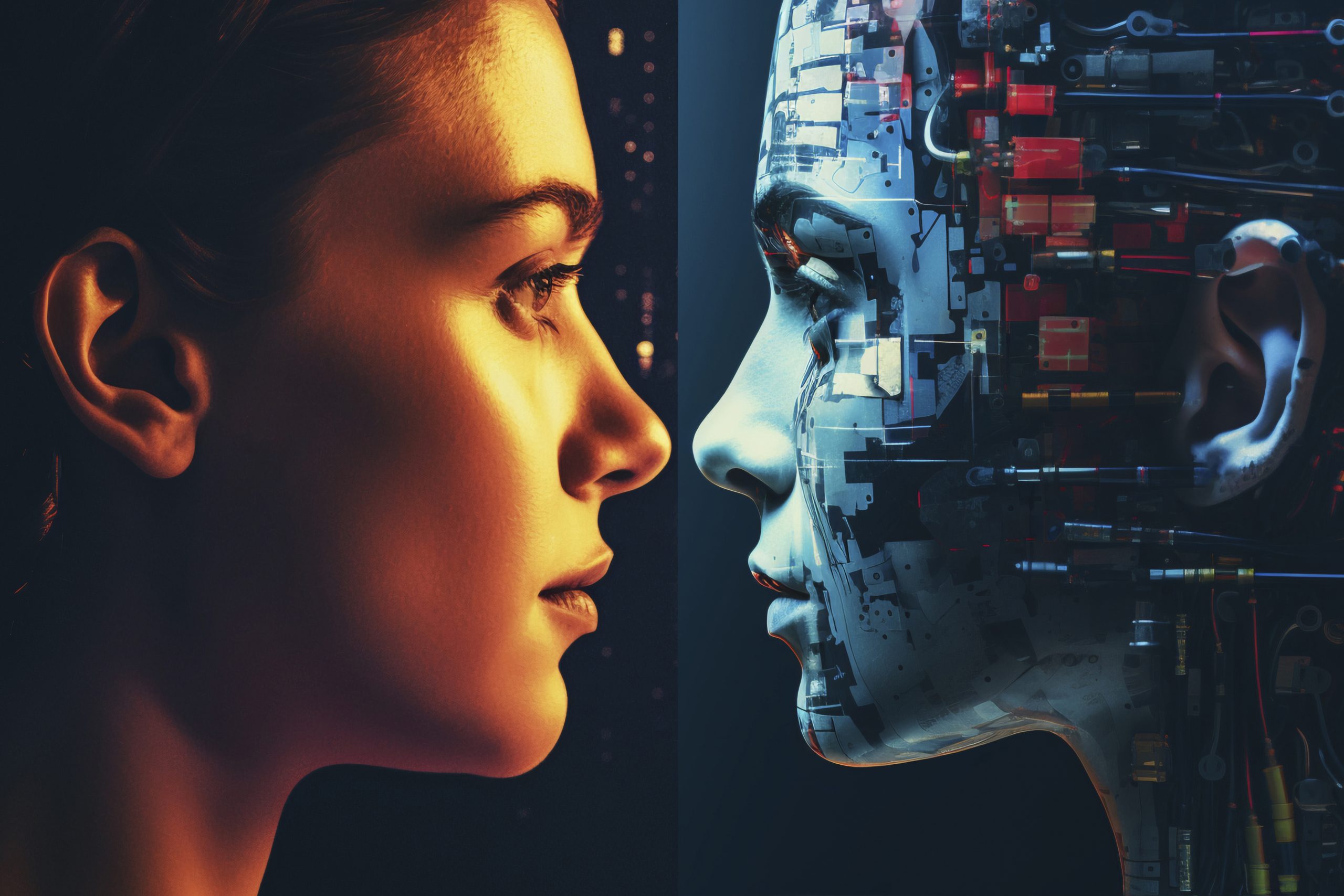
In 2025, Artificial Intelligence isn’t just transforming how we work — it’s reshaping how we create. From digital art to music composition, scriptwriting to architectural design, AI tools are becoming powerful co-pilots for creative minds. But how exactly is AI revolutionizing creativity? And is it helping or harming original human thought?
Let’s break down how AI is changing the creative game — with examples, tools, and a glimpse of where we’re heading.
AI as a Creative Partner, Not a Replacement
Gone are the days when people feared AI would replace human creativity. Today, tools like ChatGPT, MidJourney, Runway ML, and Suno AI are being used by designers, writers, and musicians not to replace their creativity — but to amplify it.
“I use MidJourney to visualize my ideas before illustrating by hand. It saves time and unlocks concepts I wouldn’t have imagined.” — Digital Artist, Mumbai
Real-World Examples of AI in Creative Fields
- Music: Artists like Grimes and Holly Herndon are using AI voice models to release entire albums.
- Writing: Authors use ChatGPT to brainstorm plots, create dialogue, or generate alternate endings.
- Architecture: AI helps architects simulate light flow, temperature impact, and even generate futuristic blueprints.
- Marketing: Ad agencies are using AI tools to create catchy copy, viral hooks, and even auto-edit TikToks.
The Rise of the “Prompt Engineer”
One of the fastest-growing skills in 2025 is not coding — it’s prompt crafting. The ability to talk to AI tools in natural language and get exactly what you want is now a creative artform.
Tip: Use layered prompts like “ultra-wide angle + cinematic light + retro-futuristic style” to control MidJourney visuals.
Companies are hiring prompt engineers like they once hired copywriters.
Challenges & Ethical Questions
While AI has unlocked new levels of creativity, it also raises valid concerns:
Who owns AI-generated art?
Can AI accidentally reinforce bias?
Will over-reliance dull original human thinking?
Still, most creators agree: the tool is only as good as the artist using it.
What’s Next for AI and Creativity?
As we move deeper into the 2020s:
Expect AI to become real-time collaborators in music and film production.
Look for personalized AI muses trained on individual styles.
Watch out for AI-human co-signed works becoming the new norm.
The creative future isn’t man vs. machine. It’s man with machine.
Final Thoughts
AI is not here to replace creativity — it’s here to help it evolve. Whether you’re a writer, designer, musician, or marketer, learning to co-create with AI is a skill that will define the next generation of digital artists.
So the next time you’re staring at a blank page or canvas, remember: your AI assistant is just a prompt away.
