
Losing weight after 50 can feel like climbing a hill — slower metabolism, aching joints, and a lifetime of habits that are hard to change. But here’s the truth: it’s never too late to feel lighter, stronger, and more confident in your own skin.
Why weight loss gets harder with age
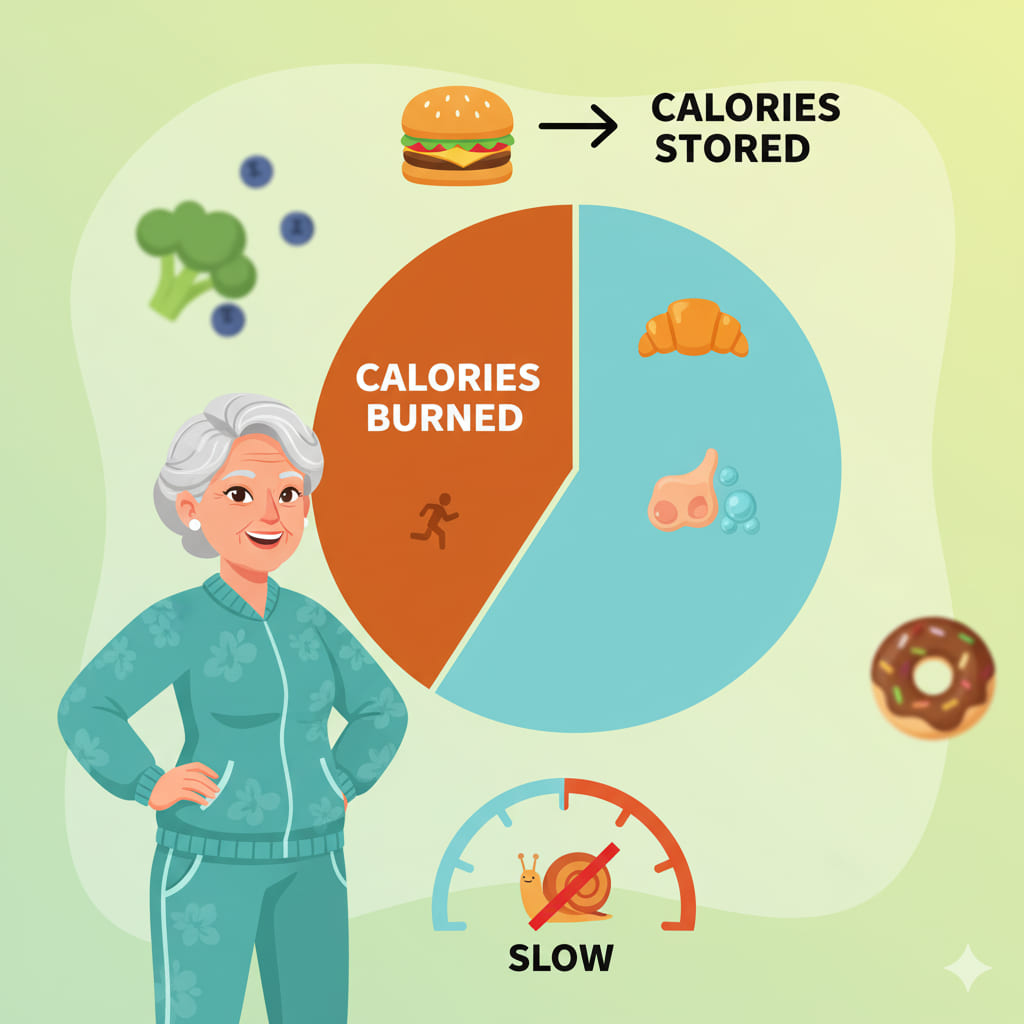
As we age, metabolism slows, muscle mass drops, hormones change, and activity levels often fall. These changes make it easier to gain weight and harder to lose it. The good news: many of these effects can be improved with gentle, consistent steps.
1. Eat Smart, Not Less
Crash diets often backfire. Instead of eating very little, focus on balanced meals that keep you satisfied and protect muscle.
- Protein first: Eggs, fish, lean meats, or beans at every meal to preserve muscle.
- Fiber-rich foods: Whole grains, oats, lentils, fruits, and vegetables help you stay full longer.
- Healthy fats: Olive oil, avocado, nuts, and seeds support heart and joint health.
- Watch portions: Use smaller plates and stop when you’re about 80% full.
- Stay hydrated: Aim for about 6–8 glasses of water daily; sometimes thirst feels like hunger.
Pro Tip: Try the half-plate rule — half your plate veggies, one-quarter protein, and one-quarter healthy carbs.
2. Move Every Day — Even 20 Minutes Helps
Small daily movement keeps your metabolism active, protects muscle, and improves mood. You don’t need a gym membership.
- Walking: 20–30 minutes daily is a great start.
- Swimming or water aerobics: Gentle on joints and effective.
- Chair exercises: Great if mobility is limited.
- Light strength training: Twice a week with light weights or resistance bands.
- Dancing: Fun and good cardio — try it at home or in a class.
3. Prioritize Sleep
Good sleep helps balance hunger hormones and reduces cravings. Aim for 7–8 hours of restful sleep every night.
- Sleep and wake at the same time daily.
- Limit caffeine after mid-afternoon.
- Keep the bedroom cool, dark, and quiet.
- Turn off screens an hour before bed.
4. Manage Stress Gently
Stress raises cortisol, which can increase belly fat. Gentle stress management helps weight loss and improves well-being.
- Try deep breathing or 10 minutes of yoga daily.
- Listen to calming music or guided meditations.
- Spend time in nature or talk with a trusted friend.
- Journaling can help clear the mind.
5. Cut Back on Hidden Sugar and Processed Foods
Sugar hides in many packaged foods. Reducing added sugar cuts empty calories and helps steady blood sugar.
- Choose plain Greek yogurt over flavored versions.
- Swap soda for sparkling water with lemon.
- Snack on nuts, berries, or apple slices instead of cookies.
- Read labels — if sugar is one of the first three ingredients, pick a different brand.
6. Strengthen Your Muscles
Muscle burns calories even at rest. Adding light resistance training helps preserve and build muscle.
- Start with 15–20 minutes twice a week.
- Use resistance bands, light dumbbells, or even water bottles.
- Target arms, legs, and core, and always warm up first.
7. Eat Mindfully
Mindful eating helps you notice hunger and fullness and prevents emotional or distracted overeating.
- Sit down to eat — avoid TV or phone.
- Chew slowly and enjoy each bite.
- Stop when you feel satisfied, not stuffed.
- Ask: “Am I hungry or just bored?”
8. Check Your Health Regularly
If weight loss stalls, ask your doctor to check for thyroid issues, diabetes, or medication side effects. Your doctor can suggest a safe, personalized plan.
9. Celebrate Small Wins
Weight loss is more than numbers. Notice energy, mood, and how clothes fit. Reward progress with non-food treats like a new book or a spa visit.
10. Build a Support System
A walking buddy, local senior center, or online group makes it easier to stay motivated and consistent.
Final Thoughts
Weight loss for senior women is about steady, simple choices: better sleep, daily movement, balanced meals, and stress care. Small steps add up. Be patient, celebrate progress, and focus on feeling healthier every day.
